Meta and YouTube Addiction Lawsuits
Cecilia Kang, Ryan Mac, and Eli Tan (March, Hacker News):
The social media company Meta and the video streaming service YouTube harmed a young user with design features that were addictive and led to her mental health distress, a jury found on Wednesday, a landmark decision that could open social media companies to more lawsuits over users’ well-being.
[…]
Citing features like infinite scroll and algorithmic recommendations, K.G.M. sued Meta, which owns Instagram and Facebook, and Google’s YouTube, claiming they led to anxiety and depression.
For its part, the Wall Street Journal editorial board is standing up for beleaguered social media companies in an editorial today criticizing everything about these verdicts, including this specific means of liability, which it calls a “dodge” around Section 230.
[…]
Product design, though, is a different question. It would be a mistake, I think, to read Section 230 as a blanket allowance for any way platforms wish to use or display users’ posts. (Update: In part, that is because it is a free speech question.) From my entirely layman perspective, it has never struck me as entirely reasonable that the recommendations systems of these platforms should have no duty or expectation of care.
Nick Heer, on an April Massachusetts lawsuit:
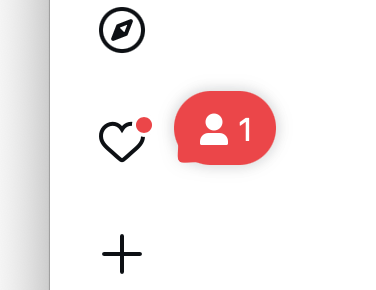
To me, a non-lawyer, much of the actual text of the ruling (PDF) explaining why this lawsuit was not immediately turfed on Section 230 grounds seems pretty reasonable. For example, the judge says “[u]nder the default settings, Meta enables approximately forty types of notifications” for the Instagram app, which the government alleges “is designed to overwhelm young users and compel them repeatedly to reopen Instagram”. We can argue whether this is a meaningful thing for a government to police or if it is just another example of Meta resorting to tacky growth-hacking techniques instead of trusting their product is sufficiently compelling on its own. (Most days when I open Instagram in my browser, it puts a red badge over the notifications tab and suggests I have one new follower. I do not; I never have. It lies to me every time, presumably because it knows most people, including me, will usually click on that, thereby increasing a number on a dashboard somewhere.)
couple weeks back, Jonathan Haidt published another entry in his ongoing campaign to convince the world that social media is inherently ruining kids’ lives. This one was a victory lap titled “Seven Lines of Evidence Against Social Media,” treating recent developments — including the social media addiction verdicts against Meta that most people are misunderstanding — as vindication of his thesis.
[…]
But then something inconvenient happened for Haidt’s thesis: Pew went and did a brand new study exploring teens’ experiences on TikTok, Instagram, and Snapchat. This one asked the kids themselves.
[…]
Indeed, the research repeatedly suggests that for the very small number of kids who are facing mental health problems and overrelying on social media in response, the answer is a targeted intervention to help those individuals — not a broad “ban kids from social media” program.
Previously:
- UK Social Media Ban
- Kids Online Safety Act
- Australia’s Social Media Ban
- France’s Social Media Ban
- The Age Verification Trap
- EU Council Approves New “Chat Control” Mandate
4 Comments RSS · Twitter · Mastodon
"It would be a mistake, I think, to read Section 230 as a blanket allowance for any way platforms wish to use or display users’ posts."
To me, it's tautologically true that if a social media company decides on its own which posts to show me, it becomes responsible for having shown me those posts. Section 230 only makes sense for neutral carriers of information, which you are not if you have algorithms deciding which information I see.
These companies spent millions researching how to make their apps addictive. Then people got addicted to them. Young people
Yes, they should have to pay. And they should have to change. Ending algorithmic timelines and forcing companies to make them just time based would be a good start
> Most days when I open Instagram in my browser, it puts a red badge over the notifications tab and suggests I have one new follower. I do not; I never have. It lies to me every time, presumably because it knows most people, including me, will usually click on that, thereby increasing a number on a dashboard somewhere.
My guess is less about conspiracy: Nick Heer did gain a follower that is a spammer. The data pipeline lights up the red dot (which can be as light as setting a server-side timestamp to now; then your local device can compare a last seen timestamp against the server to decide if a red dot is displayed), but before Heer gets a chance to see the follower, the spammer is removed from the notification queue.
Is it sloppy engineering? You be the judge, but I say no. This red dot pipeline service probably solved far more problems than it created.
So the solution isn’t to say this is sloppy engineering. It is to increase the weight of the problems it creates, and monetary penalty is one good tool.
I provide these services zero quarter for shit notifications. Twitter did the same damn thing; notifications used to mean that something relevant to you happened, and then suddenly random recommended shit made the red dot appear. They know it generates "engagement".