Liquid Glass Disbelief
If someone had told me 12 months ago what was going to happen this past year, I wouldn’t have believed them. Skipping swiftly past all the political, economic and social turmoil, I come to the interface changes brought in macOS Tahoe with Liquid Glass. After three months of strong feedback during beta-testing, I was disappointed when Tahoe was released on 15 September to see how little had been addressed. When 26.1 followed on 3 November it had only regressed, and 26.2 has done nothing. Here I summarise my opinions on where Tahoe’s overhaul has gone wrong.
[…]
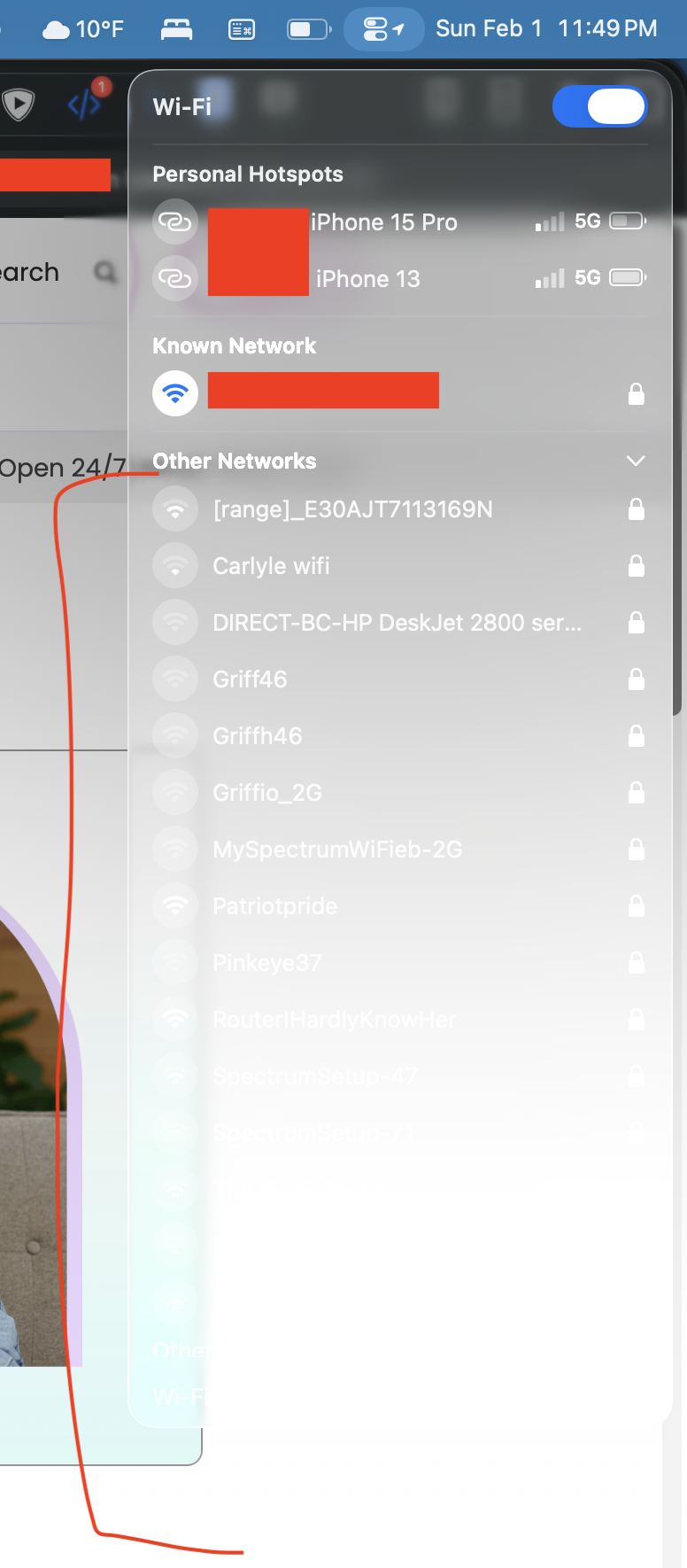
In real life, whiteouts are dangerous because they’re so disorienting. There’s no horizon, no features in the landscape, and no clues to navigation. We see and work best in visual environments that are rich in colour and tonal contrasts. Tahoe has continued a trend for Light Mode to be bleached-out white, and Dark Mode to be a moonless night. Seeing where controls, views and contents start and end is difficult, and leaves them suspended in the whiteout.
[…]
I’m sure that, in the right place and time, transparency effects of Liquid Glass can be visually pleasing. Not only is this the wrong time and place, but those with visual impairment can no longer remove or even reduce these effects, as the Reduce Transparency control in Accessibility settings no longer reduces transparency in any useful way. That was one of the regressions in 26.1 that hasn’t been addressed in 26.2.
I don’t mind how Liquid Glass looks at all. It’s just insane how buggy the system has become. Even Messages will bug out, like deleting my first word if I type too fast after opening a conversation or auto scrolling and not letting me scroll down until I exit and re-enter.
Unacceptable for the premium you pay for Apple software. Unacceptable for any software one is paying for. I hope they get their shit together and start fixing before they continue adding new stuff. 26.2 doesn’t inspire me that they’re on that trajectory.
Previously:
- Belated Liquid Glass on iPhone First Impressions
- macOS 26.2
- Alan and Aaron
- Alan Dye Leaving Apple for Meta
- Liquid Glass Toggle in appleOS 26.1 Beta
- Shipping Liquid Glass
- Tahoe Window Corners
- Tahoe’s Terrible Icons
- Liquid Glass: Content vs. Controls
Update (2025-12-30): Craig Grannell:
Sad to see that last pic of an older macOS and see how far things have fallen. (And Howard didn’t even mention the absurd “hovering” buttons.)
Oakley reviews several lingering problems with Liquid Glass in MacOS, but the above remains the most — and I use this word intentionally — glaring issue I have with it. It is a problem that becomes entirely clear as you scroll to the bottom of Oakley’s post and find a screenshot from — I think — Mac OS X Mavericks with evident precision and contrast.
What pushed me over the edge in deciding to chase at least some of it was installing the first beta of macOS Tahoe. It was clear that non-updated apps would immediately stand out, from the radius of the window corners to the look of standard controls, and I wanted to make sure my apps looked well-maintained. I decided on a major (dot-zero) release number to give me a bit more license to update the UI than normal, and dug in.
[…]
This, unfortunately, turned into a surprising time sink. There was a lot of churn, with each macOS beta changing at least something about how glass effects looked or behaved. Different control types applied glass effects inconsistently (and still do, in the released versions). When presented over a white background, glass layers become hard to spot without additional tweaking. This resulted in many hours of experimenting and iterating, far more than the size of these controls would imply. I’m pleased with the final result, but expect to keep revising it over time.
One thing Apple pushed for, which I did not adopt, was to extend blurred document content up under the toolbar. I tried, over many hours, repeating with each new beta, but it never worked out.
Update (2026-01-08): John Gruber (Mastodon):
It’s just remarkable how much better-looking MacOS was 10 years ago, compared to MacOS 26 Tahoe at its best. And it’s equally remarkable just how bad MacOS 26 Tahoe looks in many typical, non-contrived situations, where entire menus or the title of a window are rendered completely illegible.
For me, the first and worst sin of macOS Tahoe is that window backgrounds are 100% white in Light Aqua. Dark Aqua is 8.9% white, which is OK. Black still shows up against it.
Sequoia was and 90.6% and 14.7%, so you could draw white on a window background and see it.
As the Norwegians say, Liquid Glass is “not so bad” on iPhones and iPads, but on the Apple Watch and the Mac, it’s an abomination.
I understand sentiment of this article, but must note that the specifics of much of what’s mentioned here are the choice of third-party devs. You can’t just flip a switch and turn on Liquid Glass, especially in a traditional Mac app. Tying into what I said earlier this year: traditional Mac apps are not native to this design language — you need to redesign the apps too. That’s why adopting Liquid Glass is such an ordeal, and why many (including Apple) haven’t shipped
I don’t think it works well in the apps have have been redesigned, either.
This could be a case study on how design at Apple has gotten worse. Take iTunes/Music for Mac:
- From Catalina on, full-height sidebars started eating into valuable toolbar real estate.
- In Tahoe, not only to stupid big corner radii eats more into you usable area, they now allow the inspector sidebars to cut even more into toolbar space.
- The volume & scrub controls are now an extra click away.
Update (2026-01-15): Steve Troughton-Smith:
The parts of Liquid Glass that really suck on macOS are the parts that weren’t designed, left up to the various internal teams to figure out what to do on their own. That includes basically anything that AppKit does that Apple’s other platforms don’t. It’s not that the design language sucks (subjective), but there was clearly no guidance, thought or care given to a whole bunch of Mac-specific behaviors. As close as the platforms have got, macOS is still a special snowflake and suffers for it.
Also a big part of this, on all platforms, is the accessibility modes are all afterthoughts wrt design language, and are visually and mechanically broken on all platforms. Reduced transparency, reduced motion, et al — if you’re using these modes, the OS looks and feels so much worse. It amplifies the negative reaction to all the new stuff, because of course people predisposed to a more stripped-down experience, who might have turned that all on years ago, are being handed something way sub-par.
Update (2026-02-02): Norbert Heger:
Attention to detail…
Update (2026-02-03): Matt Gemmell:
I think the thing I hate most about the Liquid Glass redesign is those damned inset sidebars, leaving a weird strip of the window background visible down the left side (and above and below). It just looks broken. And the window chrome is within it!
Liquid Glass on the Mac is so bad because it’s like they didn’t test it at all (versus the iPhone that got iterated and is much better).
Update (2026-02-19): Mario Guzmán:
Look how bad the #LiquidGlass buttons look on the bottom-right for Installers. They’re hardly visible and what is most noticeable is their smudgy-looking shadow.
It’s sadly been a long time since there was a see-it-at-a-glance difference between the main window and other windows, but now I have all these Safari windows in every different color and it’s so jarring and frustrating and demoralizing to me. (I switched back to the default settings for this screenshot but there’s the same issue in tinted mode with Reduce Transparency turned on.)
I will never understand how the most important, and main set of [Music.app] controls was reduced to a very tiny area that isn’t very prominent and easily gets lost in muddied Liquid Glass.
This is a prime example of how to NOT design with users in mind.
At a glance, it’s hard to even find it in the second screenshot. In the first, it’s difficult to read its contents.
Not to mention the volume, scrubber, and time labels now take two steps to interact with them.
Apple Music keeps opening in its smallest window size possible, in the middle of my main display. It doesn’t persist its last window position or size. Also the damn Lyrics sidebar also always comes up open. This all started in Tahoe during the beta season over the summer.
Update (2026-03-19): Jeff Johnson:
This is the Finder sidebar on Tahoe with the Ventura volume selected.
I can barely see the selection highlight!
See also: Miserable-Guide8844.